






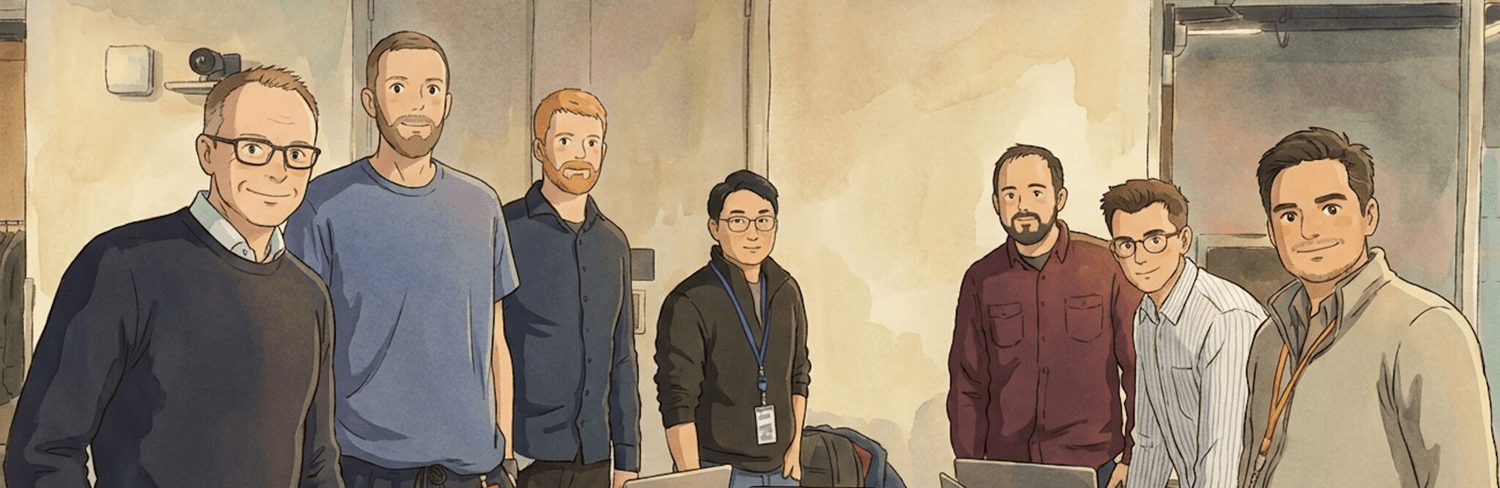
Last week, several Yonder AI experts were in Canada at different events. They swapped the relatively comfortable European winter for freezing Canadian temperatures to work with colleagues from CSI companies on AI initiatives. The projects, enthusiasm, and results made for tropical experiences.

Amazon Web Services AI-DLC workshop
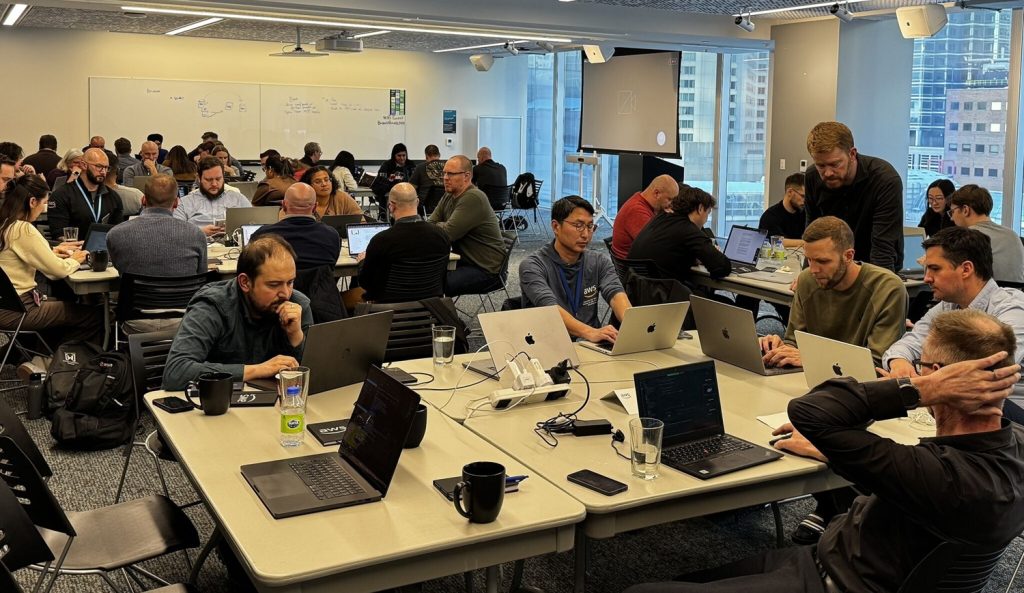
Snowy streets, freezing temperatures, and GPUs running hot at the Amazon Web Services (AWS) AI-DLC workshop in Toronto 🇨🇦❄️🔥.
Last week, we spent two intensive days at the AWS AI-DLC workshop, bringing together teams from across Constellation Software Inc., including Total Specific Solutions, Volaris Group, Harris Computer, and Jonas Software.
I tested the methodology firsthand together with the TSS DK team (Brynjar Tryggvason, Daði Guðvarðarson) and Czinege Zoltan, working on a real invoice understanding and classification use case. In just two days, we generated 8,549 lines of code and built a complete solution: trained two ML models (Python and scikit-learn), implemented backend services in .NET, and created a working frontend (starting with Angular and later switching to React). A similar effort two years ago would easily have taken two months.
Big thanks to Mika Savolainen for identifying this use case and backing the team every step of the way.
The Yonder team tackled a very interesting challenge as well, using long-running agents to support legacy software modernization. The initial results are very promising.
What stood out most to me wasn’t the development speed; it was the shift in approach.
AI-DLC isn’t about better prompts. It’s a structured methodology: clarifying intent, decomposing work into buildable units, generating code with strong validation gates, and keeping humans accountable for the key decisions.
You can read more about the methodology here: https://lnkd.in/dsYTJm8Q
A couple of key takeaways:
- Process clarity matters more than tooling
- AI is an exponential multiplier
- Applying AI-DLC to brownfield projects requires more upfront preparation
- Building a frontend with React was easier than Angular (likely due to more React code in training sets)
- Traditional development methodologies need to evolve (we need to make Agile more agile)
- The gap between teams actively experimenting with AI and those still waiting is widening fast
Big thanks to AWS and everyone involved for an outstanding event. Excited to see where this takes us next.
Paul Cirstean, Head of Innovation

Volaris AI Group
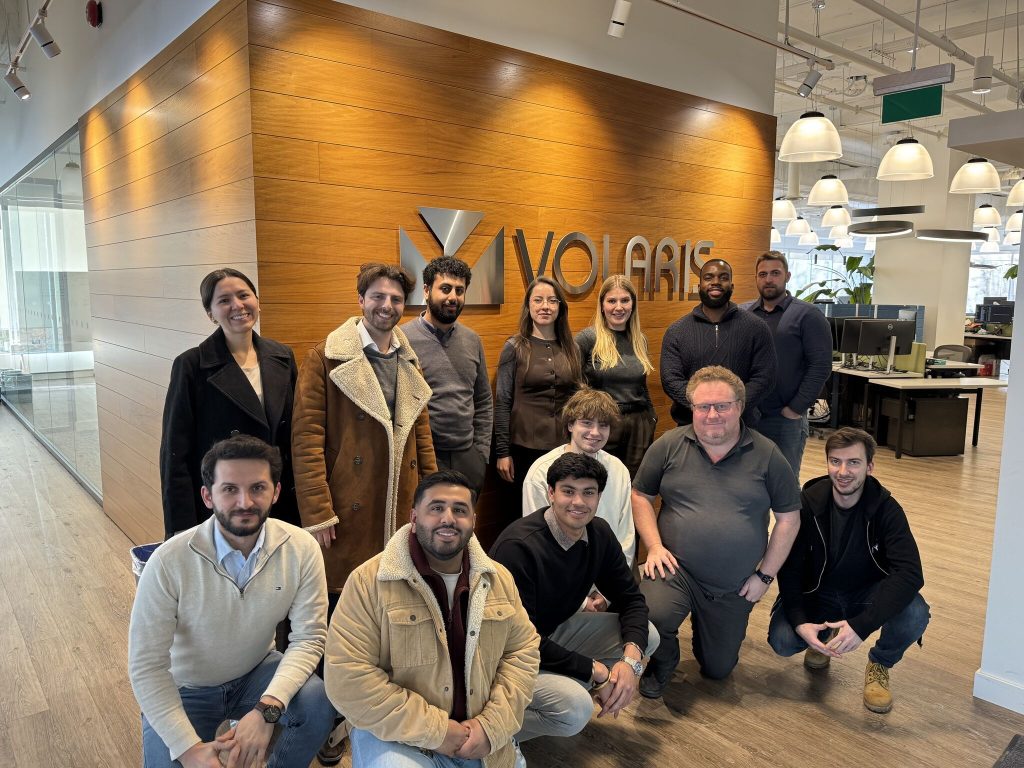
Last week in Canada, I worked alongside our Yonder team, Ian Reay, and the Volaris AI group, focused on one thing: pushing AI into real software delivery and seeing what holds under pressure.
No pilots. Real backlogs, real systems, real constraints.
We deliberately pushed AI through a spec-driven development approach. Clear intent upfront, shared understanding with stakeholders, and work decomposed into small units before a single line of code was written.
The difference was obvious. AI accelerates delivery when intent and specs are explicit. Vague inputs produce fragile output. Tooling matters less than workflow, ownership, and decision discipline. [We used many coding agents & models to test this.]
Beyond the core work, the week had real depth. Deep discussions with teams and leaders from across the Volaris and TSS ecosystem. The real value came from sharing patterns, failures, and lessons across businesses, not just showcasing wins.
We also spent time together in Toronto, because serious change is built on trust and shared context, not just architecture diagrams.
This week reinforced something I strongly believe: AI becomes transformative when it’s paired with teams that have clarity, accountability, and sound judgment.
More to come. Some learnings still need distilling.
Bogdan Robu, Delivery Manager
STAY TUNED
Subscribe to our newsletter today and get regular updates on customer cases, blog posts, best practices and events.
